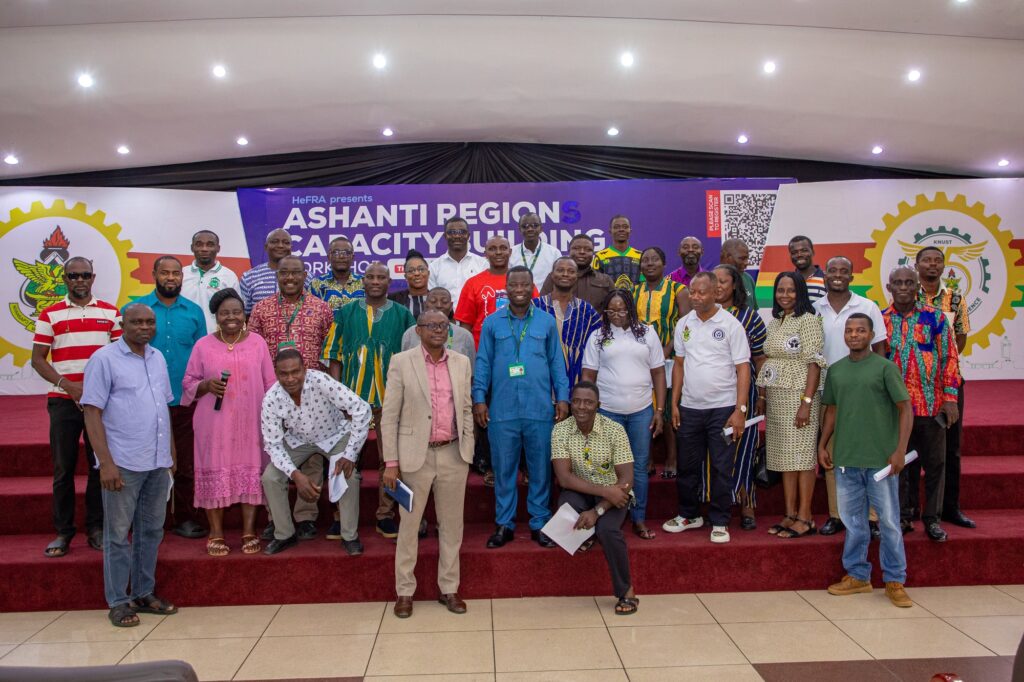
The Interim Management Committee (IMC) of the Tek Cooperative Credit Union Limited, KNUST, has outlined a series of governance, financial and operational reforms undertaken to strengthen the institution, as it prepares to transfer leadership to a substantive elected Board.
The reforms were presented by the Chairman of the IMC, Dr Owusu Acheampong, at the Union’s 26th Annual General Meeting held on November 18, 2026, where he delivered an account of the Committee’s stewardship and progress towards fulfilling its mandate.
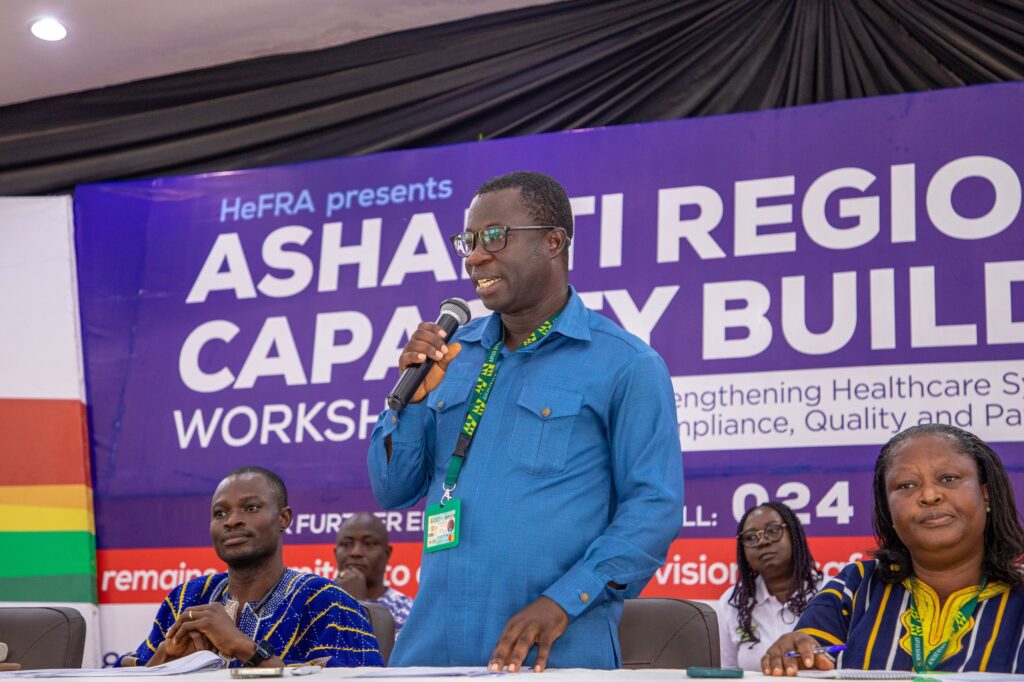
Dr Acheampong said the Committee had focused on strengthening institutional governance, improving financial oversight, modernising operations and enhancing services to members.
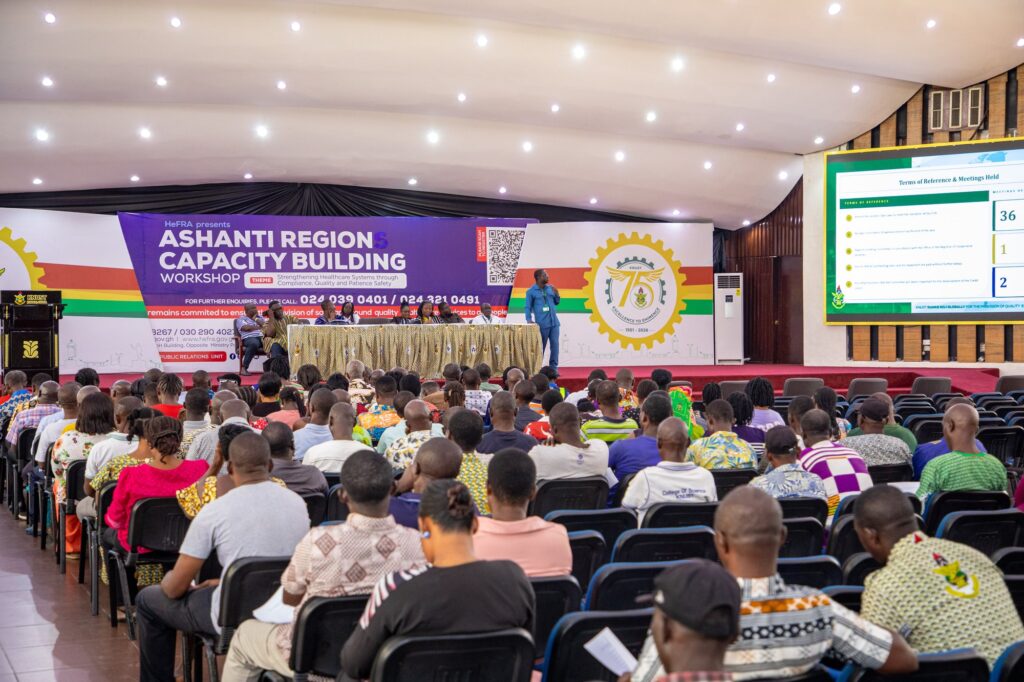
As part of the governance reforms, he said the IMC introduced several internal control measures, including pre-auditing of payments by the Internal Auditor, monthly income and expenditure reviews, and regular loan appraisal reports to the Board.
According to him, the Committee also developed an Operational Policy, a Strategic Plan for 2025–2030, an Operations Manual and Conditions of Service to provide a stronger framework for the Union’s administration and operations.
In a move towards operational efficiency, he added that the Union transitioned from manual transaction recording to an internet-based software system.
“Internet connectivity was also restored at its premises, while members now receive real-time updates on transactions affecting their account balances,” he said.
The report further highlighted improvements in member services, including the removal of the one per cent withdrawal charge on members’ savings, extension of the maximum loan repayment period from 36 to 60 months, and the removal of the loan qualification threshold previously tied to members’ contributions.
The withdrawal process has also been simplified, he said, with the abolition of the requirement for members to submit letters before making withdrawals. Additionally, the Union has obtained approval from the University to process members’ salaries through the Credit Union, enabling the provision of overdraft facilities.
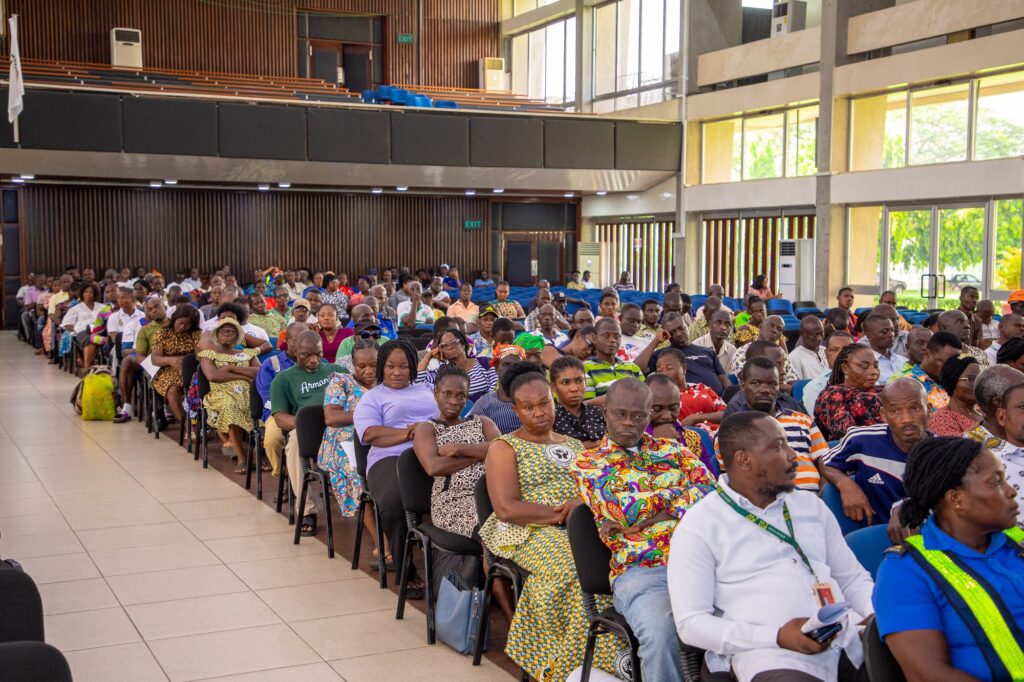
Dr Acheampong said these interventions have been accompanied by growth in the Union’s financial position and membership. According to his report, total assets increased from GH₵22.27 million in June 2021 to GH₵103.56 million as of October 2026, while membership grew from 2,163 to 4,784 within the same period.
The Committee also reported progress in addressing outstanding investment funds, with GH₵629,778.47 recovered out of GH₵5.92 million in locked-up investments. “We engaged a recovery agent to support efforts to retrieve the outstanding funds,” he said.
On the regulatory front, the IMC highlighted developments concerning the proposed Bank of Ghana supervisory arrangement for credit unions with asset bases of GH₵60 million and above. With the Union’s assets exceeding that threshold, the Committee indicated that it was positioning the institution’s governance and reporting systems for the anticipated supervisory transition.
Outlining the Committee’s exit plan, Dr Acheampong said the revised Bye-Laws had been approved by members and submitted to the Registrar for approval. Following the approval, an Election Committee will be constituted to facilitate the election of substantive Board members, after which the IMC will hand over the administration of the Union.
In his remarks, Mr Derrick Martey, representative of the Ashanti Regional Cooperative Director, emphasised the importance of transparency, accountability and responsible financial management in sustaining cooperative institutions.
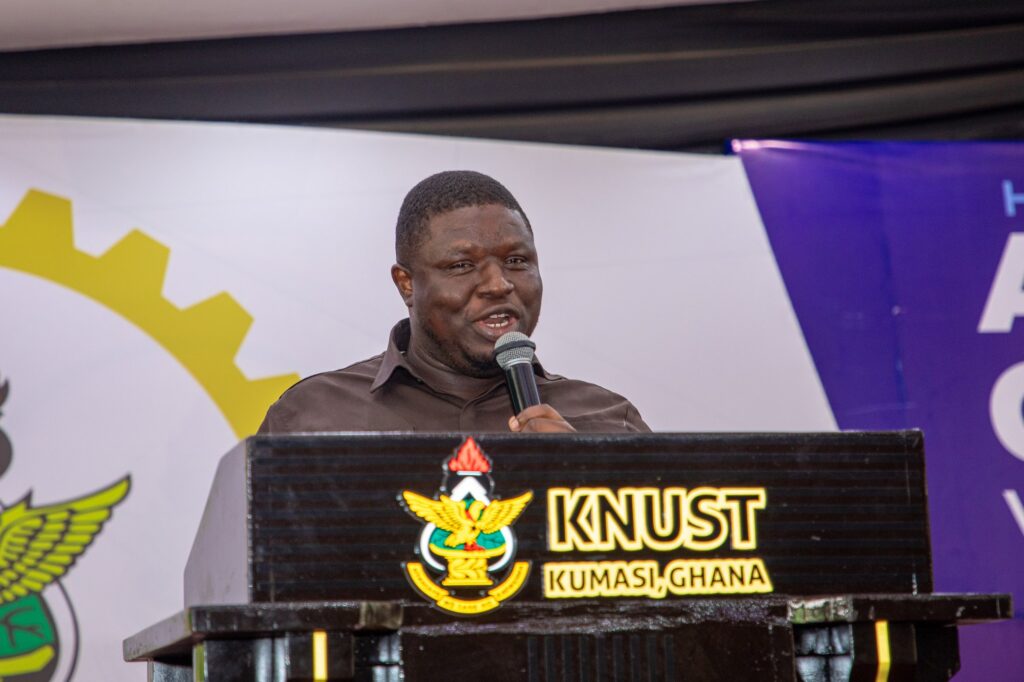
He urged the Union’s leadership to uphold sound governance practices, ensure prudent management of members’ funds and strengthen compliance with regulatory requirements. He also called on members to fulfil their financial obligations, particularly the timely repayment of loans, as part of their collective responsibility towards the sustainability of the institution.
Mr Martey encouraged continued cooperation between the leadership and members to strengthen the Union and ensure that it remained responsive to their needs.
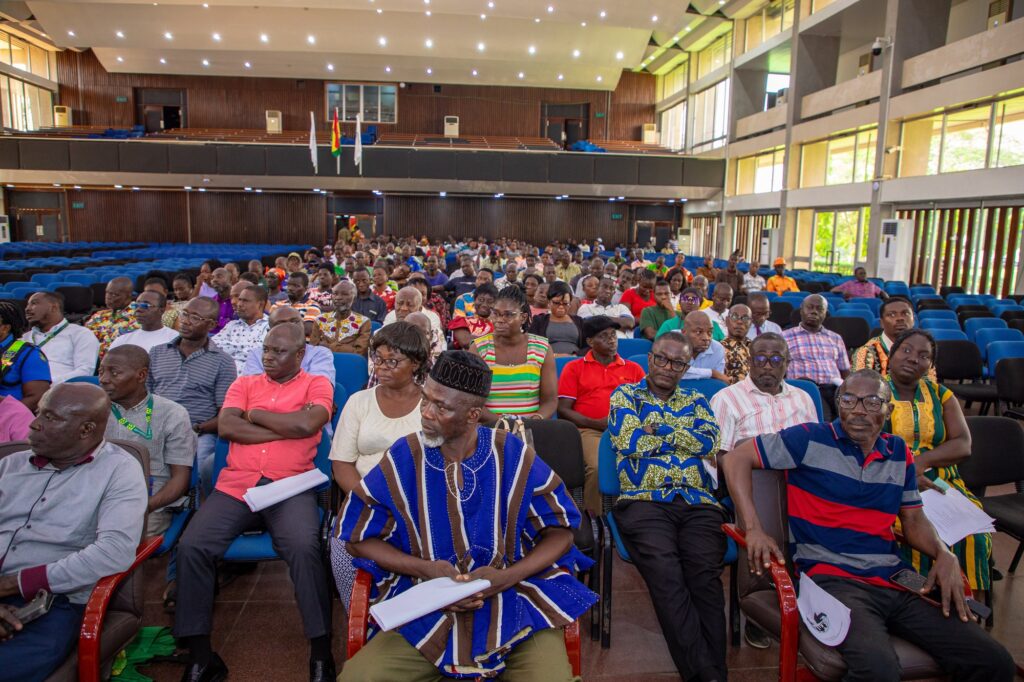
The 26th Annual General Meeting provided a platform for members to review the Union’s performance, receive updates on the work of the Interim Management Committee and consider the next phase of its institutional development as it moves towards elected leadership.